
What Sephora and Credo Look for Before Saying Yes
Every indie skincare founder has thought about the moment their product lands on a Sephora shelf or gets accepted into Credo’s curated lineup. Fewer founders understand what actually happens behind that decision. Retail buyers aren’t evaluating your formula in isolation. They’re evaluating whether your entire brand can perform in their ecosystem, sell at their velocity, and not create returns, complaints, or shelf clutter. Here’s what that evaluation actually looks like.
Retail buyers evaluate brand story before formula performance
Buyers at Sephora and Credo assess whether your brand has a clear, differentiated story that fits a gap in their current assortment before they deeply evaluate formulation, because story determines whether the product will sell once it’s on the shelf. A great formula with no clear story is a hard sell internally, because the buyer has to pitch your brand to their own merchandising team.
This is why “clean, effective skincare” as a pitch doesn’t work anymore, every brand in the room says that. Buyers are looking for specificity: a founder story with genuine credibility, an ingredient or technology angle they don’t already carry, a customer this fills a real gap for. Credo in particular evaluates against their clean standards but also against whether your story fits their editorial voice, community-driven, education-forward, values-based.
If you walk into a buyer meeting with beautiful packaging but no clear answer to “why you, why now, why here,” you’ll get a polite pass. The story is doing as much work as the science in that room.
Packaging and shelf presence get evaluated like a business metric
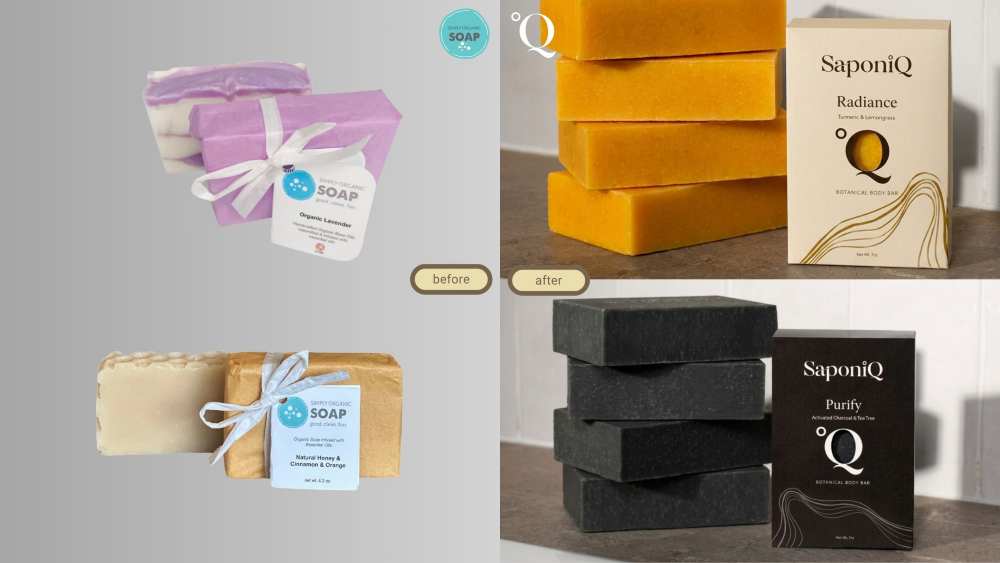
Buyers assess packaging for shelf standout, photography potential, sustainability signals, and whether it communicates the correct price point at a glance, because packaging directly affects sell-through rate, not just aesthetics. This isn’t a subjective “do we like it” conversation. It’s a functional evaluation of whether your product will get picked up in a crowded aisle or scrolled past online.
Sephora specifically cares about how your packaging photographs for their site, since a large percentage of sales happen online even for in-store brands. If your product doesn’t photograph well against a white background, doesn’t have clean readable claims on the front panel, or looks visually similar to three other brands already in their assortment, that’s a real obstacle, regardless of formula quality.
Credo weighs sustainability packaging signals more heavily, refillable systems, recyclable materials, reduced plastic, because it’s core to their brand promise to their own customer. A founder who hasn’t thought through packaging sustainability is starting several steps behind in that specific room.
Price point communication matters too. If your packaging looks like a $22 product but you’re pricing at $58, buyers notice that mismatch immediately, because it signals the brand hasn’t fully matured its positioning yet.
Retail readiness means more than a great product
Buyers evaluate operational readiness, including your ability to fulfill wholesale minimums, maintain consistent inventory, provide marketing assets, and support in-store or digital promotional calendars, before they commit shelf space to your brand. A founder with an incredible product but no fulfillment infrastructure creates risk for the retailer, and buyers are trained to spot that risk early.
This includes things founders don’t expect to be asked about: Can you produce 5,000 units on a six-week lead time if we do a launch push? Do you have professional photography assets ready for their site, not just your own? Can your small team handle a spike in demand without stockouts that hurt your standing in their system?
Retailers have been burned before by indie brands that couldn’t scale fast enough once demand hit, and buyers now screen for this explicitly. Your operational story is part of the pitch, not a background detail.

Brand consistency across every touchpoint gets scrutinized
Buyers look at your website, social presence, and existing customer reviews to see if your brand identity is consistent and credible everywhere a potential customer might check before trusting the product, since inconsistency signals an unfinished or unstable brand. If your Instagram feels like a completely different brand than your website, or your website feels more premium than your actual product photography, that inconsistency gets noticed.
This is where a lot of self-funded, self-designed brands lose credibility in these meetings. The product might be genuinely excellent, but if the visual identity feels stitched together from different design decisions made over two years, buyers read that as a brand that hasn’t fully figured out who it is yet. Retail is unforgiving of that ambiguity because they’re staking their own reputation on your consistency once you’re on their shelf.
Reviews matter here too. Buyers will check your existing customer sentiment, not just star ratings but the actual language customers use, to see if it matches the story you’re pitching them. A mismatch between your pitch and your actual customer feedback is an immediate red flag.
Conclusion
Getting into Sephora or Credo isn’t a formula evaluation, it’s a full brand evaluation. Buyers are assessing story, packaging performance, operational readiness, and consistency across every place a customer might encounter you before they ever get deep into your ingredient deck. Founders who treat retail readiness as a branding and strategy project, not just a product project, walk into those meetings with a real advantage.
If you’re preparing for retail conversations and know your brand isn’t fully ready for that level of scrutiny, that’s exactly the kind of brand build we specialize in. See our full process at aventivestudio.com/services